Cyprus Sights
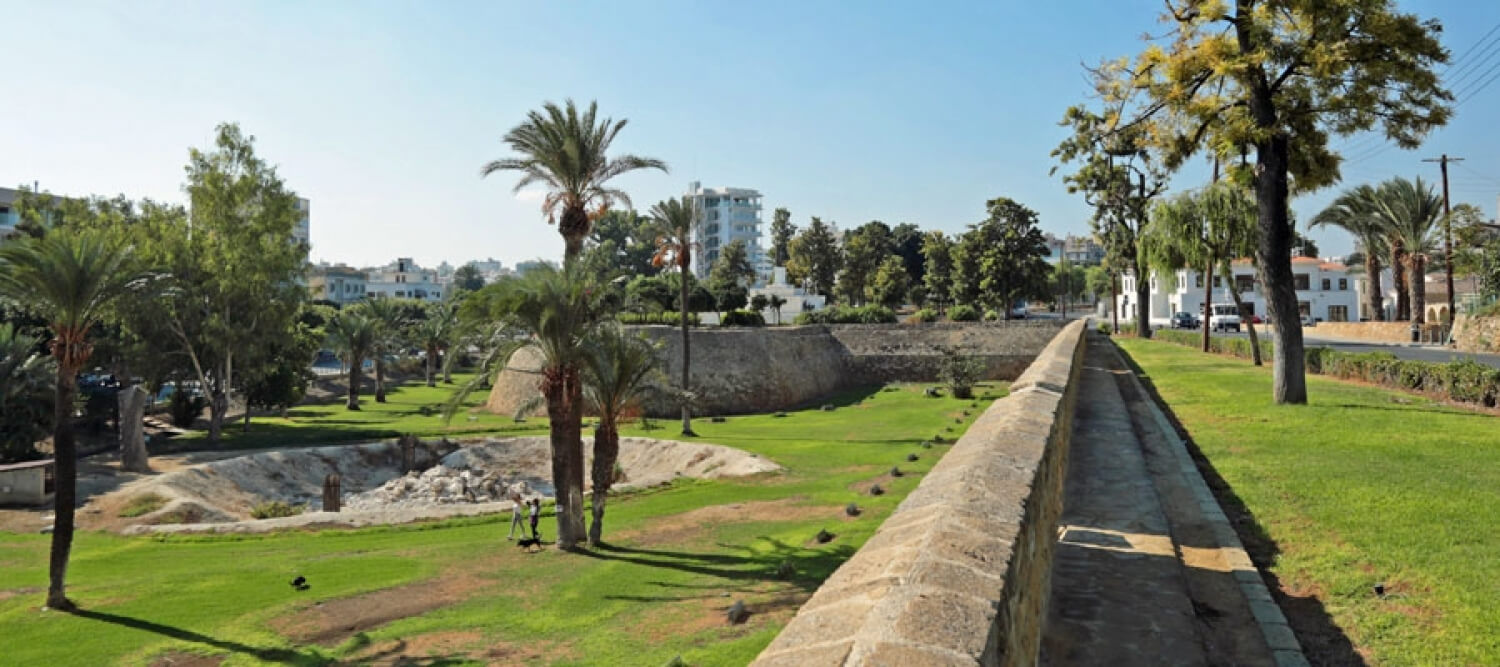
The Medieval Wals of Lefkosia
The Medieval Walls that still surround the old city of Lefkosia (Nicosia) were built by the Venetians in the 16th century. Forming a circle, the walls are fortified by eleven heart-shaped bastions and protected by an 80-metre wide moat. They were built of mud brick, with only the lower part buttressed by stone. When the Ottomans occupied Lefkosia, they repaired the walls and covered the upper part with stones.
Amathous Archaeological Site
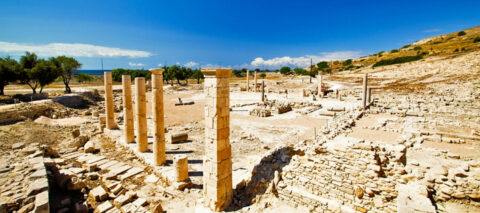
There are various, rich archaeological finds at the site, including the Agora, the public baths, the Temple of Aphrodite, early Christian basilicas and several tombs.
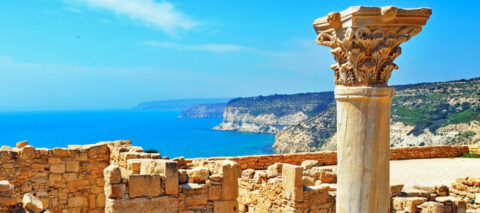
Kourion Archaeological Site
The city-kingdom was built on the hills of the area, and overlooked and controlled the fertile valley of the river Kouris.
Pafos (Paphos) Mosaics
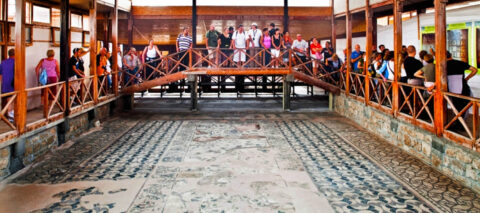
The Houses of Dionysos, Theseus, Aion and Orpheus are the villas of four Roman noblemen that date from the 2nd to the 5th centuries AD.Their intricate floor mosaics depict various scenes from Greek Mythology.
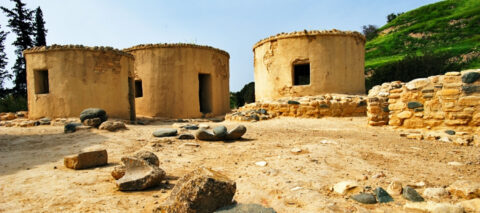
Choirokoitia Archaeological Site (Neolithic Settlement)
Remains from all phases of the Neolithic Age are evident in the settlement, and provide an insight of living conditions in the region during prehistoric times, as well as how the Neolithic culture was spread throughout the region.